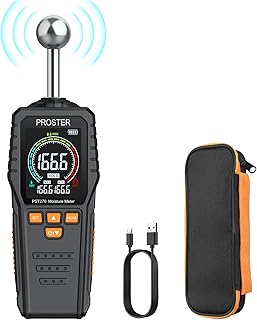
Your Guide to Selecting the Best Sound Meters for 2026
As we move into 2026, the importance of accurate sound measurement continues to grow across various industries. Whether you are an acoustics professional, a construction manager, or simply someone interested in monitoring sound levels in your environment, selecting the right sound meter is crucial. This guide will help you navigate the myriad options available in the current market and make an informed decision.
Understanding Sound Meters
Sound meters, also known as sound level meters, are devices used to measure sound pressure levels in decibels. They are essential for ensuring compliance with noise regulations, assessing acoustic environments, and conducting research. In 2026, advancements in technology have led to a range of sound meters that vary in features, accuracy, and price. Understanding these factors will aid you in selecting the best device for your requirements.
Types of Sound Meters
There are several types of sound meters available, each designed for specific applications. The most common types include:
Class 1 Sound Meters: These are laboratory-grade meters that offer the highest level of accuracy and precision. They are ideal for professional use in research and industrial settings.
Class 2 Sound Meters: These are suitable for general-purpose use and provide adequate accuracy for most applications. They are frequently used in environmental monitoring and occupational health.
People Also Look For:
- Sound Level Meter Data Logger Decibel Meter with Record Function, Portable Noise Meter 30~130dB Sound Meter A/C/Z Weighting Noise ...
- SURLABA Decibel Meter Wall Mounted, 3In1 Digital Sound Level Meter 30~130dB Range with Temperature & Humidity Display, 11" Large L...
- LATNEX SM-130DB Digital Decibel Meter Reader and Sound Level Type 2 with Calibration Certificate. Measurement Device for Environme...
- Sound Level Meter, 30~130db 9.6" LCD Display Wall Hanging Decibel Noise Measuring Tester with Alarm (SW-525A)
- TECPEL DSL-331 Sound Level Meter with Datalogger
Smart Sound Meters: With advancements in technology, many sound meters now come equipped with smart features. These devices can connect to smartphones and tablets, allowing users to monitor sound levels remotely and analyse data in real time.
Key Features to Consider
When selecting a sound meter, several key features should be taken into account to ensure it meets your specific needs:
Accuracy: Look for a sound meter with a high accuracy rating, especially if you require precise measurements for regulatory compliance or professional assessments.
Frequency Weighting: Sound meters typically offer different frequency weighting options, such as A, C, and Z weighting. A-weighting is commonly used for general noise measurement, while C-weighting is better for measuring peak levels in loud environments.
Data Logging: If you need to track sound levels over time, choose a meter with data logging capabilities. This feature allows you to record measurements and analyse trends.
Calibration: Regular calibration is essential for maintaining accuracy. Some sound meters come with an automatic calibration feature, while others may require manual calibration.
Budget Considerations
Your budget will inevitably play a role in the sound meter you choose. While it is tempting to opt for the cheapest option available, it is vital to consider the trade-offs in terms of accuracy and features. In 2026, you can find quality sound meters at various price points, but investing in a reliable device will pay off in the long run. Always compare features and read reviews before making a purchase.
Brand Reputation and Support
When selecting a sound meter, consider the reputation of the brand and the level of customer support they offer. Established brands often have a proven track record of producing reliable and durable equipment. Furthermore, excellent customer support can be invaluable if you encounter any issues or need assistance with your device.
Conclusion
As you embark on your journey to select the best sound meter for 2026, remember that understanding your specific needs and the features available will guide you in making the best decision. The right sound meter can ensure compliance, enhance your work efficiency, and contribute to a better understanding of sound in your environment. With the right information and careful consideration, you can find a sound meter that meets your requirements and stands the test of time.